
Senior Wellness · June 12, 2026 · 6 min read
Aging in Place: How Ontario Families Are Rethinking Senior Care
A quiet shift is happening across Hamilton and the GTA, and it starts at the kitchen table.
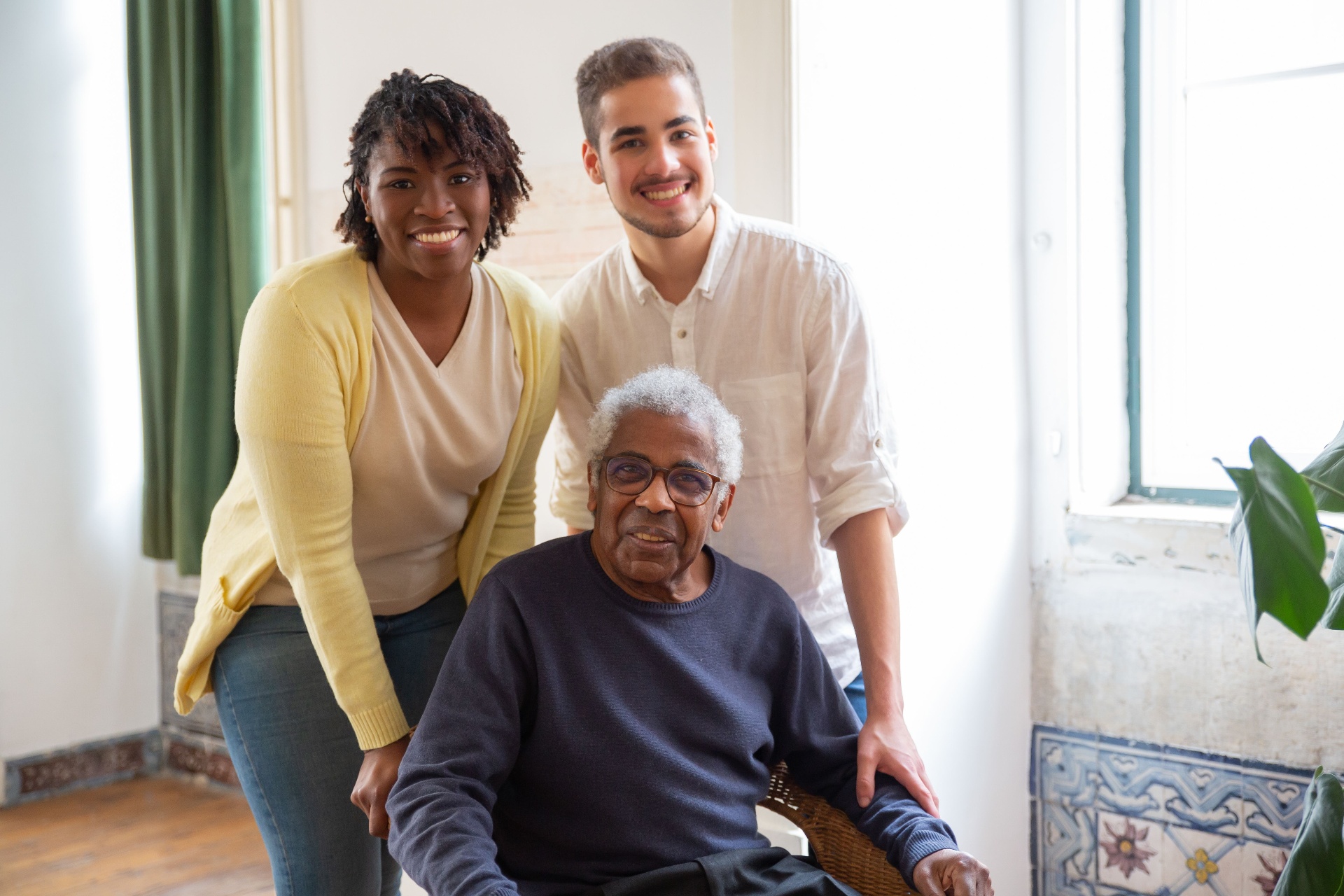
For decades, the default answer to declining independence was a facility. That story is changing. Ontario families are increasingly building care around the home instead of moving away from it, and the results, both emotional and practical, are hard to ignore.
Why home matters more than we think
Familiar walls, familiar routines, and a favourite chair by the window are not luxuries. They are anchors. Research consistently links familiar environments to lower anxiety, better sleep, and slower cognitive decline in older adults.
The most powerful medicine for many seniors is not a prescription. It is dignity, routine, and the smell of coffee in their own kitchen.
What makes aging in place actually work
Successful aging in place is rarely about one big decision. It is about small, consistent supports: a caregiver who arrives on time, a well-stocked fridge, safe pathways through the home, and someone who notices when something feels off.
Non-medical home care fills the gap between full independence and full-time medical care. It is the daily infrastructure that lets a person stay themselves, in the place they love, for as long as possible.
Where families should start
Start with a conversation, not a checklist. Ask what a good day looks like. Ask what feels harder than it used to. From there, a care plan can be shaped around real life, not around what a brochure says it should be.